
Land for Sale in Kheda, Gujarat
Geography & terroir
Kheda sits in central Gujarat in the fertile Charotar region, where the Mahi and Sabarmati basins meet. Soils are predominantly deep alluvial — the goradu and besar types known for high productivity. The water table is comparatively good for Gujarat, with both canal coverage from the Mahi Right Bank Canal and dense borewell access. The district is the birthplace of the AMUL cooperative and remains a heartland of organized dairy farming.
Typical land uses
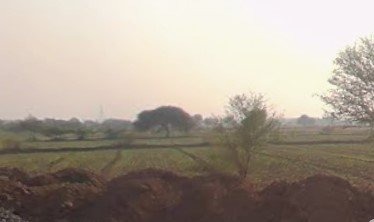
The dominant pattern is intensively farmed agricultural land — tobacco (Kheda's historical signature crop), wheat, rice, vegetables, and fodder for the dairy belt. Plot sizes are often smaller than Saurashtra norms (1–8 acres common) because the soil is so productive that even small parcels are economically viable. NA residential is concentrated around Nadiad, Mahemdavad, and Kapadwanj towns. Industrial use is limited; most non-farm land sits in the Mahemdavad–Nadiad corridor.
Infrastructure & access
NH-48 (Mumbai–Delhi) and the Ahmedabad–Vadodara Expressway both pass through the district. Nadiad and Anand are Western Railway junctions. The district sits within an hour of both Ahmedabad and Vadodara airports. Most villages have pucca approach roads, and irrigation infrastructure is among the best in Gujarat. Distance to the DMIC nodes and Gujarat's industrial corridors keeps the district attractive for buyers wanting workable land within commuting distance of urban centers.
Buyer notes
Agricultural land in Kheda carries strong tukda protection — many ancestral parcels are too small to fragment further under current rules, and buying a sliver may not be feasible. Verify whether the seller is registered as an agriculturist in Kheda (or in another Gujarat district), the 7/12 extract including all entries, and the village-level Land Acquisition records (the area has seen highway and expressway acquisitions). For NA conversion, plan for typical timelines and the prevailing premium charges in central Gujarat.